Crimping is a method of joining two or more pieces of metal or other ductile material by deforming one or both of them to hold the other. The bend or deformity is called the crimp. [1][2] Crimping tools are used to create crimps.
The complete guide to wire crimping, with expert tipsOne of the most common ways to connect electrical wires to connectors or to splice wires together is by crimping. Crimping is easy and involves no soldering. Whether you're joining two...
Crimping is a specialised fastening process and is ideal for connecting network cables and similar applications. As an efficient alternative to soldering or screwing, crimping is suitable for quickly creating an electrically conductive connection between a plug and a patch or power cable.
THIS GUIDE HAS BEEN PRODUCED TO HELP YOU ACHIEVE A PROPERLY CRIMPED TERMINAL OR SPLICE EVERY TIME. THE FOLLOWING PAGES ILLUSTRATE THE DOS AND DON’TS OF CRIMPING, AND HIGHLIGHT THE ADVANTAGES OF USING MATCHED CABLE, TERMINAL AND TOOLING FROM THE EXTENSIVE TE CONNECTIVITY PRODUCT RANGE.
Crimping is a process that involves compressing one material (often a metal or fabric) onto another to create a secure and lasting bond. This technique is widely used in electrical work to attach connectors to wires, in crafting to join pieces of fabric or ribbon, and even in the automotive industry for wiring harnesses.
Unlike soldering, crimping requires no heat, making it a safer, cleaner, and usually more efficient method of securing electrical connections. These tools are used in both residential and industrial electrical applications to affix terminals or connectors to the stripped ends of wires.
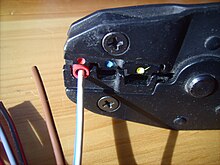 Crimping is a method of joining two or more pieces of metal or other ductile material by deforming one or both of them to hold the other. The bend or deformity is called the crimp. [1][2] Crimping tools are used to create crimps.